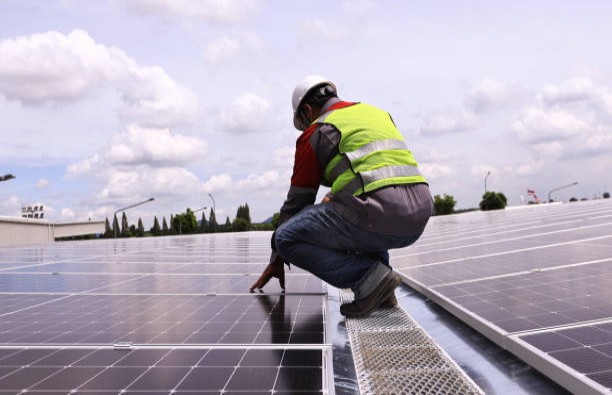
The solar landscape in the Northern Territory has shifted significantly heading into 2026. From rebate reductions to new panel technologies and changing electricity rates, NT homeowners considering solar installation need to understand these changes to make informed decisions.
This comprehensive guide covers everything that has changed for solar NT 2026, helping you navigate the current market, whether you live in Darwin, Palmerston, Alice Springs, Katherine, or Tennant Creek.
What's Changed in 2026: Quick Overview
| Area | 2025 | 2026 Change |
| Federal STC Rebate | Higher deeming period | Reduced January 1, 2026 |
| STC Factor (May 1) | 9.3 | Drops to 6.8 |
| NT Battery Grant | $6,000 maximum | Unchanged but limited funding |
| Panel Technology | P-type dominant | N-type (TOPCon) is now standard |
| NT Electricity Rates | 27-32c/kWh | 29-35c/kWh (increased) |
| Average System Price | Slightly higher | Stabilised with better value |
Rebate Changes You Need to Know
The biggest changes affecting solar NT 2026 involve government rebates. Understanding these changes helps you time your purchase for maximum savings.
January 1, 2026: STC Deeming Period Reduction
The federal government reduced the STC deeming period from 6 years to 5 years on January 1, 2026. This directly reduces the number of certificates your system generates, lowering your upfront rebate.
| System Size | 2025 Rebate Value | 2026 Rebate Value | Difference |
| 5kW | $3,100 - $3,300 | $2,800 - $3,000 | -$300 |
| 6.6kW | $3,800 - $4,100 | $3,200 - $3,500 | -$500 |
| 10kW | $5,500 - $5,900 | $4,800 - $5,200 | -$700 |
| 13kW | $7,000 - $7,500 | $6,000 - $6,500 | -$900 |
May 1, 2026: Further STC Reduction
A second reduction occurs on May 1, 2026, when the STC factor drops from 9.3 to 6.8. This represents an additional 20% reduction in rebate value. Homeowners planning to install should aim to complete their solar installation in Darwin or elsewhere in the NT before this date.
NT Battery Grant: Still Available
The NT Battery Grant Scheme continues to offer up to $6,000 for eligible battery installations. However, funding is limited and processed first-come, first-served basis. The program requires batteries to be VPP-capable (Virtual Power Plant-ready) for 2026 applications.
Technology Advances for 2026
Solar panel technology has evolved significantly, with 2026 marking a shift toward more efficient and heat-tolerant options ideal for the Northern Territory climate.
N-Type Panels Now Standard
The biggest technology shift in solar NT 2026 is the mainstream adoption of N-type solar cells, particularly TOPCon (Tunnel Oxide Passivated Contact) technology.
Important Read: Solar in Darwin: The Complete 2026 Guide for NT Homeowners
| Feature | P-Type (Old Standard) | N-Type TOPCon (2026 Standard) |
| Efficiency | 19-21% | 22-24% |
| Heat tolerance | Moderate | Superior |
| Degradation rate | 0.5-0.7% per year | 0.3-0.4% per year |
| Darwin performance | Good | Excellent |
| 25-year output | 80-82% | 87-89% |
| Price premium | Baseline | +5-10% |
For Darwin's extreme heat, N-type panels from brands like Jinko, REC, and AIKO offer measurably better performance than older P-type technology.
Improved Inverter Technology
Modern solar inverters in 2026 feature enhanced monitoring, better heat management, and improved efficiency. Hybrid inverters capable of managing both solar and battery systems are now competitively priced with standard string inverters.
Smarter Battery Options
Battery technology continues improving, with 2026 models offering better cycle life, improved safety features, and mandatory VPP capability for rebate eligibility. Popular options for battery storage in Darwin include Tesla Powerwall, BYD, and Sungrow systems.
Current Pricing for Solar NT 2026
Despite rebate reductions, overall system pricing has stabilised due to manufacturing improvements and increased competition among solar installers in Darwin and across the NT.
2026 Solar System Prices (After Rebates)
| System Size | Price Range | Best For |
| 5kW | $4,500 - $6,500 | Small households, 1-2 people |
| 6.6kW | $5,500 - $8,000 | Average households, 3-4 people |
| 10kW | $8,500 - $12,000 | Large households, pool owners |
| 13kW+ | $12,000 - $18,000 | Large homes, EV owners, high usage |
Note: NT installation costs remain 15-25% higher than those in southern states due to cyclone-rated mounting requirements, logistics, and market size. Prices vary based on equipment quality, roof complexity, and installer. Contact Oneroof Solar for an accurate quote.
Rising Electricity Rates: Why Solar Makes More Sense
Northern Territory electricity rates have increased again in 2026, making the case for solar stronger than ever.
| Rate Type | 2025 Rate | 2026 Rate | Increase |
| Standard tariff | 27-30c/kWh | 29-32c/kWh | 7-8% |
| Peak tariff | 45-48c/kWh | 48-52c/kWh | 7-8% |
| Feed-in tariff | 8.3c/kWh | 8.3c/kWh | Unchanged |
With NT electricity among Australia's most expensive and rates continuing to climb, a 6.6kW solar system typically saves Darwin households $2,400-$3,200 annually at current rates.
When Should You Buy Solar in 2026?
Timing your solar purchase in 2026 requires balancing rebate deadlines against your personal circumstances.
Before May 1, 2026 (Recommended)
Installing before the May 1 STC reduction saves $800-$1,500, depending on system size. This is particularly important if you are adding battery storage, where the savings compound.
Dry Season (May-October)
Darwin's dry season offers optimal installation conditions with minimal weather delays. However, this is also the busiest period for installers, so book early.
Before Year-End
Rebates will be reduced again in 2027. Any installation completed in 2026 locks in current rebate levels regardless of when the next reduction occurs.
Important Read: Solar Panel Cleaning & Maintenance in Darwin: The Complete Guide to Maximizing Your System Efficiency
Frequently Asked Questions
Is solar still worth it in 2026 with reduced rebates?
Yes. While rebates have decreased, rising electricity costs and improved panel efficiency mean solar remains an excellent investment. A typical NT household still achieves payback within 3-5 years, with 20+ years of subsequent savings.
Should I wait for prices to drop further?
No. System prices have largely stabilised, and rebates will continue decreasing annually until the STC scheme ends in 2030. Waiting typically costs more in lost rebates than any potential price reduction.
What size system should I install in 2026?
Most NT households benefit from a 6.6kW system as the minimum. If you have high usage, a pool, or plan to add an electric vehicle, consider 10kW or larger. Your installer can recommend the optimal size based on your usage patterns.
Are N-type panels worth the extra cost?
For the Northern Territory, yes. The 5-10% price premium delivers measurably better performance in Darwin's heat, lower degradation over time, and typically better warranties. The additional cost is usually recovered within the first few years of improved output.
Can I still get the NT Battery Grant?
Yes, the NT Battery Grant Scheme remains active with up to $6,000 available. However, funding is limited, and your battery must be at least 7kWh and VPP-capable to qualify.
What's the best brand for Darwin conditions?
For panels, look for N-type technology from established brands like Jinko, REC, or AIKO. For inverters, Fronius, SMA, and Sungrow offer proven reliability in tropical conditions.
Make 2026 Your Year for Solar
Despite rebate reductions, 2026 remains an excellent time for solar NT homeowners to invest. Improved technology, rising electricity costs, and still-substantial rebates make the economics compelling. The key is acting before the May 1, 2026, deadline to maximise your savings.
Whether you are in Darwin, Palmerston, Alice Springs, Katherine, or Tennant Creek, Oneroof Solar can help you navigate the 2026 solar market and secure the best value for your investment.
Verdict: The 2026 solar market in the Northern Territory offers compelling value despite rebate reductions. Rising electricity costs, improved N-type panel technology, and the still-available NT Battery Grant make this year an excellent time to invest. Homeowners should aim to install before May 1, 2026, to capture the highest available rebates. Waiting beyond 2026 means further rebate reductions and continued exposure to rising electricity costs.
Note: Prices, rebates, and electricity rates mentioned are estimates based on current information and may vary. Contact Oneroof Solar for accurate, up-to-date pricing specific to your situation.
───────────────────────────────────────────────────────────────────────────────────
Get Your Free Solar Consultation
Contact Oneroof Solar for expert solar installation in the NT:
Darwin Office Address: Level 1/48-50 Smith St, Darwin City NT 0800
Phone: 08 8004 7888
Hours: 8 am - 6 pm (7 days)
Alice Springs Office Address: 44 Zeil St, Araluen NT 0870
Phone: 04 8393 7004
Hours: 9 am - 6 pm (Sunday closed)
Website: oneroofsolar.com.au
Serving Darwin, Palmerston, Alice Springs, Katherine, and Tennant Creek with quality solar installation services.
───────────────────────────────────────────────────────────────────────────────────
About the Author
This article is brought to you by the expert team at Oneroof Solar, the Northern Territory's most trusted local solar installers and service providers. With over 200 successful installations across Darwin, Palmerston, Alice Springs, Katherine, and Tennant Creek, we are passionate about helping Territory families and businesses achieve complete energy independence through quality solar and storage solutions designed for the NT's unique climate.